You would think that there would have been little time for family history with all this gadding about hither and yon in recent weeks. After all, I’ve been away every month for the last five months and there are at least three more trips planned for this year. Time away from family history? Not a bit of it. There have been a lot of historical goings on lately. I’ve been giving talks as usual. It was a little while ago now but what a privilege to be part of the Society of Genealogists’ Mental Health day. I managed to find some fascinating case studies of those who spent time in an asylum. I was able to listen to some of the other excellent presentations but I must single out Dai Davies’ Remembering our Ancestors who died by Suicide . Do try to catch this if you can. They are presenting it again for the Pharos Anniversary Webinar week and I will be up again then on the topic of marginalised ancestors. I don’t think I’ve mentioned that I’ve been chatting to Andrew Martin as part of his Family Histories Podcast, talking about by straw plaiting ancestress and an elusive 3x great grandmother. You can listen in; I am part of series 11 along with some other great guests.
I host Zooms for more than one organisation and if I’m honest, not all the presentations hold my interest but there have been some fascinating ones amongst those I’ve heard recently. I particularly enjoyed ‘At Home in History – reflections on writing the history of domestic life’ from Jane Hamlett and Pam Vass’ ‘Kernow to the Crystal Palace. The Remarkable Ramblings of a Cornish Fishwife: Mary Kelynack and the Great Exhibition’. There are also some more potentially excellent talks to listen to in the diary .
Currently, I am coming to the end of leading my Pharos course on researching female ancestors, whilst at the same time, feeding back on students’ family histories that they have written as part of my writing your family history course; we’ve had stories of Irish brickmakers, handloom weavers and much more. I’ve been putting the final touches to my own biography (it has only taken fourteen years) and am enjoying supporting my new cohort of autobiography writers in the Society of Genealogists’ write your Life Story Club.
I am very excited that both Mistress Agnes and I will be contributing to this year’s All About That Place event. Then I’ve been submitting my proposals for Rootstech 2027, personning a local history exhibition and uploading some more stories of fatherless girls for A Few Forgotten Women. It is my turn to write the sample story for the next Forgotten Women Friday communal research day. I chose someone with a family name and managed to weave an account out of very few documentary appearances. Watch this space for the call for volunteers for that one. And there’s more, as one of my friends would say. I’ve been helping to get a co-authored book ready for publication and continuing preparations for the Devon Family History Society 50th anniversary conference, which is now a scarily short three months away.
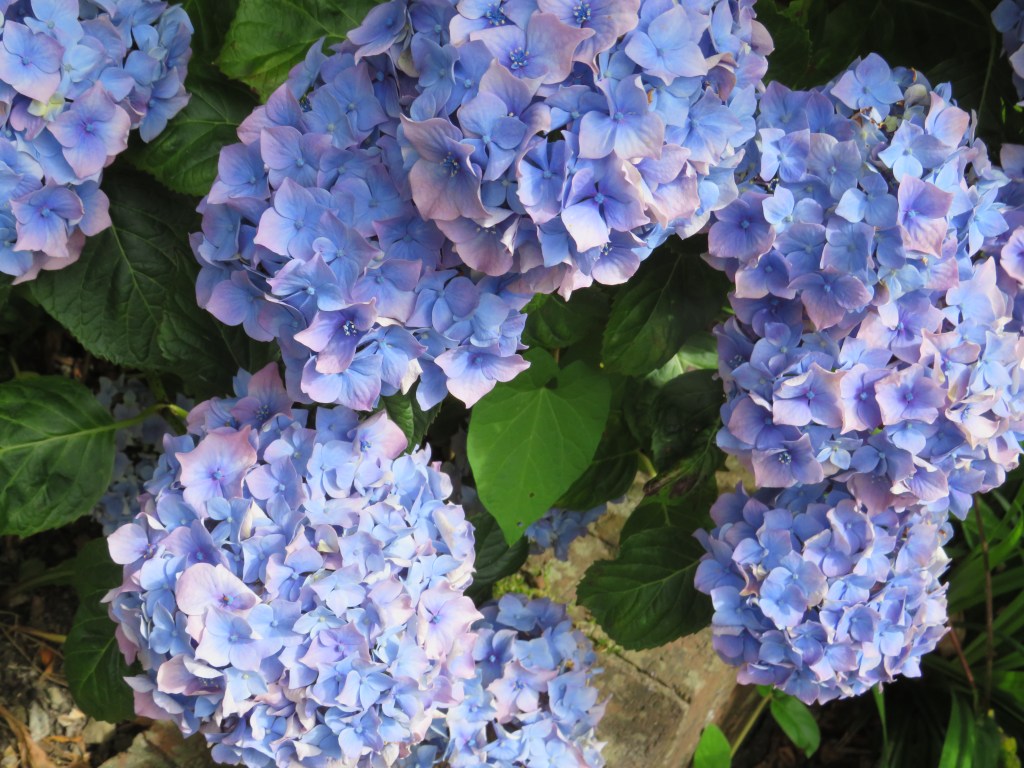
Add to this the job we must not mention and I’m living my best history/family history life. Not roses but I do still have time to smell the flowers.