A distinct downside of the Rookesbury Park caravan site is the one bar of wifi and zero phone signal. This meant that, on arrival at the Marriott Hotel, venue for the 47th Guild of One-Name Studies conference, I needed to upload two photobooks for printing before my pre-paid vouchers ran out. This had to be carefully timed so the resulting books didn’t arrive while I wasn’t at home, so I couldn’t do it earlier. This and the fact that I was ostensibly ‘helping’ meant that I missed Brian Swann’s opening presentation about resources for Portsmouth Shipping.
I was glad to be able to listed to Frances Hurd’s ‘Sex, Violence and Alcohol: after effects of the Great War’. I hadn’t realised that then a shell-shock diagnosis relied on physical, rather than psychological, symptoms. This was followed by a fascinating presentation from graphic designer Sarah Houghton, ‘Representing the People: envisioning the hidden history of the Portsmouth suffragist movement’. This was fascinating. Sarah has created wonderful animations about the march of the suffragists from Portsmouth to London and has also recreated some of the banners that they carried. Do check out her website.
I started day two with one of the fringe talks, Valerie Brenton on finding teachers’ records. This was a good summary and deserved a wider audience. Next up was Paul Carter with ‘Making your Research Manageable’, whose verdict on AI was that it was useful as a clerk but dangerous as a judge. Continuing the AI theme, was John Thew, who illustrated what might happen when someone tried to use AI to do their family history, particularly if that person wasn’t very skilled in providing suitable AI prompts. The take away was that humans are still significantly better at making genealogical connections than AI.
Nick Barrett held the after lunch spot, providing hints for Medieval and early modern resources. One of my favourite presentations was Sally Gardiner’s ‘Who was Ann Elizabeth Epitaux’. Sally had purchased a sampler at auction and her U3A group had worked collectively to trace the ancestry of the person who was named on it. Considering that Ann Elizabeth had ancestors who were Jones from Wales, they did remarkably well. I was then part of a panel fielding questions about the future of family history. There was plenty about AI, which is clearly the hot topic.
The Gala Dinner followed. By the time I had joined the drinks reception queue, they’d run out of orange juice. I asked the staff member, who looked about twelve, who said he would bring it to my table. This did not materialise so I asked another waiter – possibly thirteen this one, who asked if I wanted it in a glass. Well yes, not sure swigging out of bottles is the done thing at a gala dinner. He then produced a jug of orange juice for two of us but still no glasses. The after dinner speaker was Harry Rothery about the Mary Rose. I’ve heard talks about the Mary Rose before but probably so long ago that Harry wasn’t born. It is fascinating what has been done recently. I may put Portsmouth Dockyard down for a revisit.
Then it was Sunday. After an ecumenical service, it was my turn with a new presentation ‘Preserving the Past for the Future’. I was pleased with how it went and the resulting book sales. Then I listened to Daris Williams’ presentation, entitled ‘Is AI the new Snake Oil?’, with a very balanced view of the pros and cons. He said that the hope is that all the records on Family Search will be searchable via the full text option by the end of the year.
A break from the focus on technology was Howard Benbrook’s talk on the Hampshire Swing Riots, although, as he pointed out, there are parallels to be drawn between reactions to threshing machine’s and to AI. A useful website that he recommended is www.theenglishprojectcaptainswing.org. Back to technology for the afternoon with ‘Navigating Modern DNA techniques’ from Donna Rutherford and Sophie Kay describing the open source software Gephi. This enables you to visualise your DNA matches but could also be used for other kinds of networks.
Then it was all over. We said our goodbyes and look forward to reuniting next year, when the conference will once again be in Portsmouth.


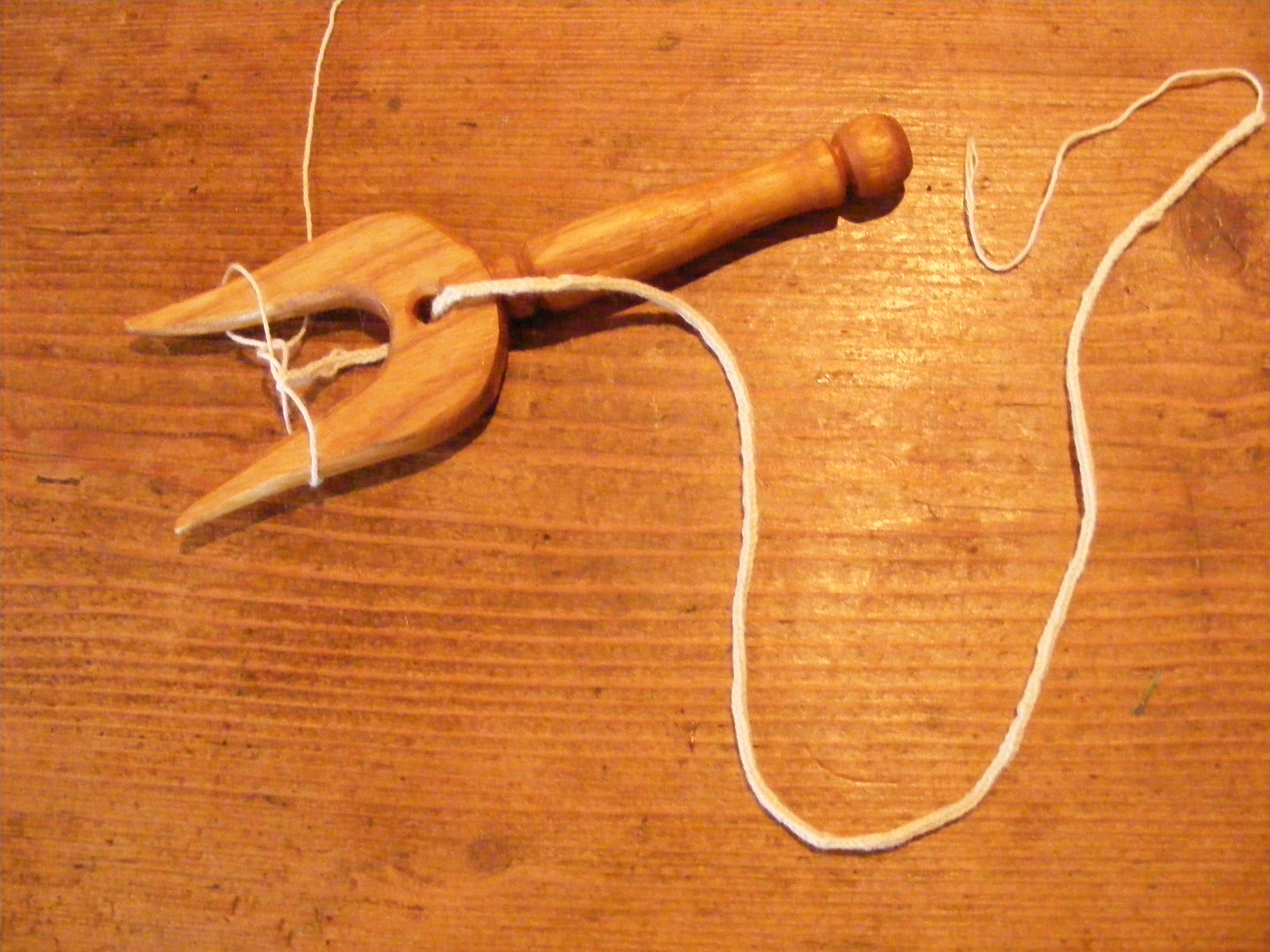 I spin away for a few hours. Well, actually I was plying and lucetting but I don’t want to get too technical. I set off home, deciding on a slightly different ‘back way’, in order to avoid having to execute a three point turn in a road barely wider than a car, at a time when several other cars are also manoeuvring. The fog had lifted, this should have been fine. Except that the other ‘back way’ was also closed for repair. The council are obviously using up their meagre road mending budget before the end of the financial year. I use a combination of common sense and sign posts before realising that I have no clue where I am, I haven’t seen another vehicle since I set off, the last building was two miles back and that was a barn. Do I have my ‘emergency’ phone? Well, no – how did I know there might be an emergency? I do however have a sat-nav. I unplug my cosy seat heater in favour of the sat-nav and follow the directions. Now I am more than comfortable with narrow, winding muddy road but I do like them to actually be roads. I bounce along muddy tracks that could not with any stretch of the imagination be described as roads, even by rural Devon, pothole laden, grass-in-the-middle-of-the-road terms. I idly wonder what would happen should I get a puncture. Even the emergency phone would be useless as I would be incapable of describing where to find me. Fortunately, I eventually arrive home. Forget going to Cornwall, I don’t even want to leave the house.
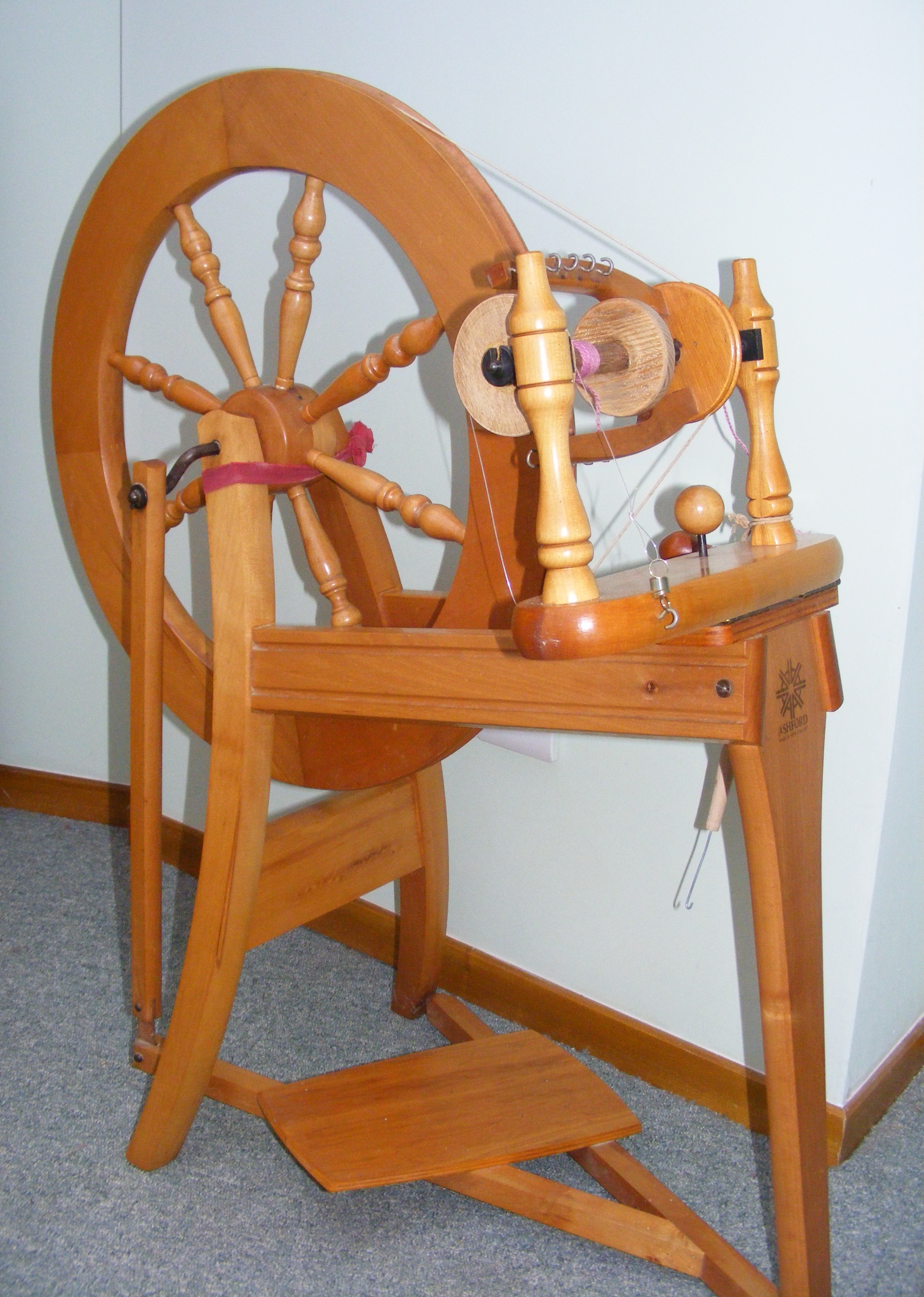 Just as I thought my confidence in my own ability could not get any lower, I go spinning. This is not the extreme gym activity, that really would be depressing but the crafting variety. I manage a business called
 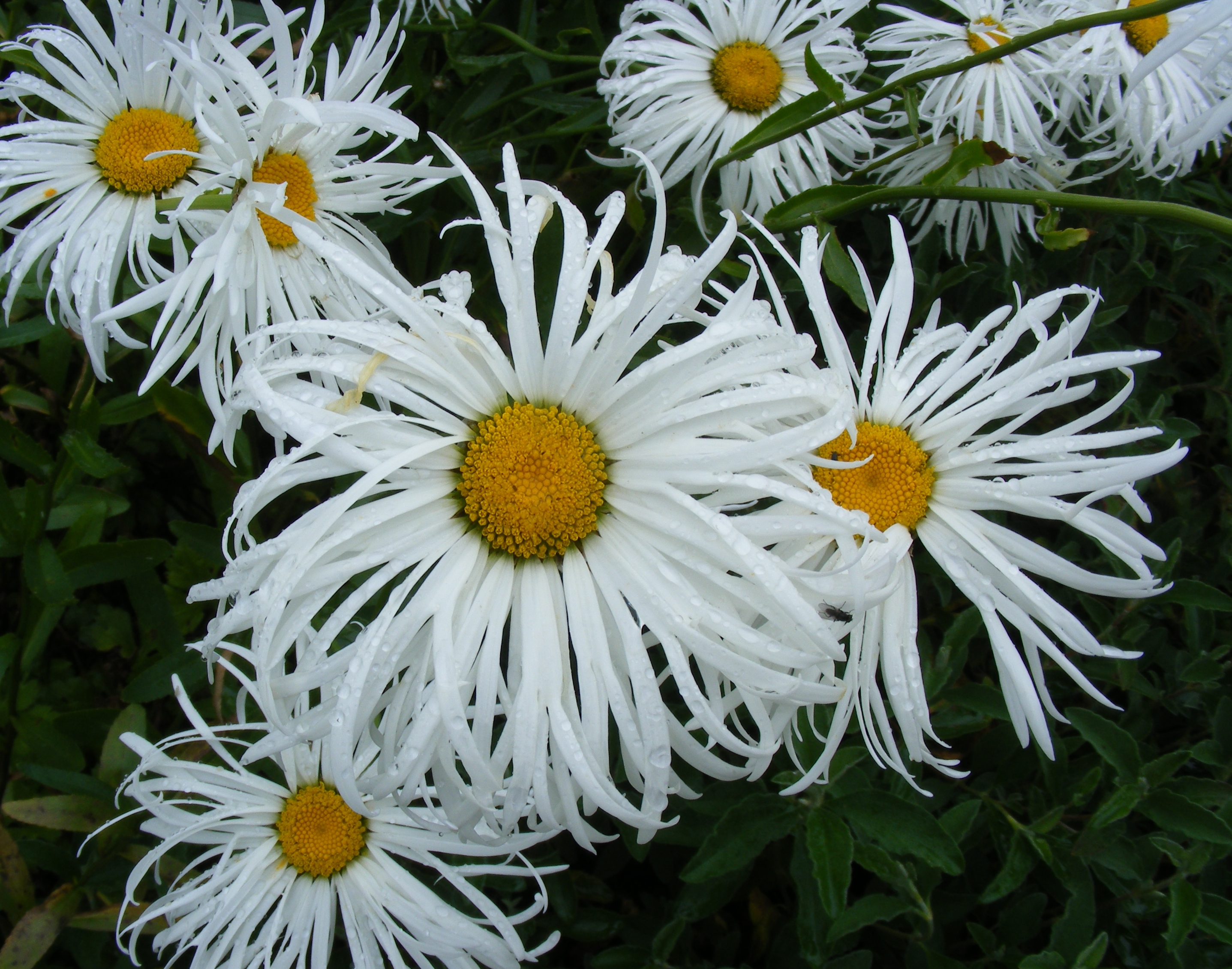 This retreating writers thing seems to be a good idea. At 5am on day one I wrote a fair draft of the end of
 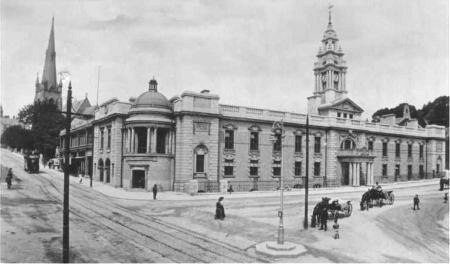 Shortly, I am off for what I am laughingly calling a ‘writer’s retreat’ aka three days in a caravan in the soft south of the county. Part of Daisy’s story takes place in Torquay, which is not a town I know very well, hence the need for a field visit. I spent yesterday researching the back stories of some of the minor characters she encounters during this part of her life and needless to say, found others I would like to include. A newspaper article mentioned that Daisy shared a house with six others whilst in Torquay. The identity of three of these was obvious. I had the task of pinpointing plausible candidates for the other three. I am happy to report that I have positively identified one and have come up with two others who are consistent with the information I have. Google earth suggests that the house they lived in was a three bedroom Victorian terrace and I cannot work out who might realistically have shared a bedroom with whom but perhaps, when I see the property in reality, it may look larger. A servants’ attic would be handy! I’ve also immersed myself in stories of VAD nurses and located routes I need to retrace. Hopefully this visit will enable me to write two middle chapters of the book then I really am on the home straight – yippee!
