It has been a while since I did a round up of my ridiculous busyness so here is what my life has looked like since visiting four counties in four weekends in September. Take a deep breath and dive on in.
First, a lovely chat with my Few Good Women family, with one of us practicing an (excellent) talk. Next, because exercise seems to have slipped from the agenda, a bird-watching stroll on the nearby country park, organised by the rangers. Then the first zoom chat for my Pharos Putting your Female Ancestors into Context course. Away from family history, it was time for the annual flu jab. I returned at 10.30am to a series of urgent messages asking if I could fill in for a speaker in 4 1/2 hours’ time at Devon FHS after AGM talk. Fallen Women filled the void. October’s Society of Genealogists‘ Biography Club topic was toys and childhood and we had fun reminiscing. I have even done some work on my own and I am pretty much still on track to be finished in time for next year’s big birthday. Then a two talks Tuesday; Marginalised Ancestors in the morning and Barefoot on the Cobbles live in the evening. Copies of my Barefoot novel are now almost sold out.
In no particular order, there has also been another Pharos chat, a talk about prostitution (the history of) then a 6am start to speak to the Genealogical Society of Queensland on seventeenth century crime and punishment. This was International Day of the Girl but the Few Forgotten Women had already sorted their online offerings so nothing was needed for the day. Plenty of socialising and eating with visiting friends this week amidst finally doing some work on what is planned to be my next book; some excellent case studies are emerging. I took part in the Society of Genealogist’s Devon research showcase. This should be freely available on the SOG YouTube channel shortly. I’ve been virtually in Oxfordshire to talk about home industries and then in Buckinghamshire for the Impoverished and Insane. Listening to a talk for once on Wednesday then a two talks Thursday, Forgotten Women and the 1838 Fishing Disaster this time. Yesterday was Forgotten Women Friday, having fun researching women who worked in the Ulster linen industry.
Then it was now and yes things will soon start to get a little less hectic as family time beckons, though I am not entirely sure that time with my lovely family isn’t equally exhausting but in a rather different way.
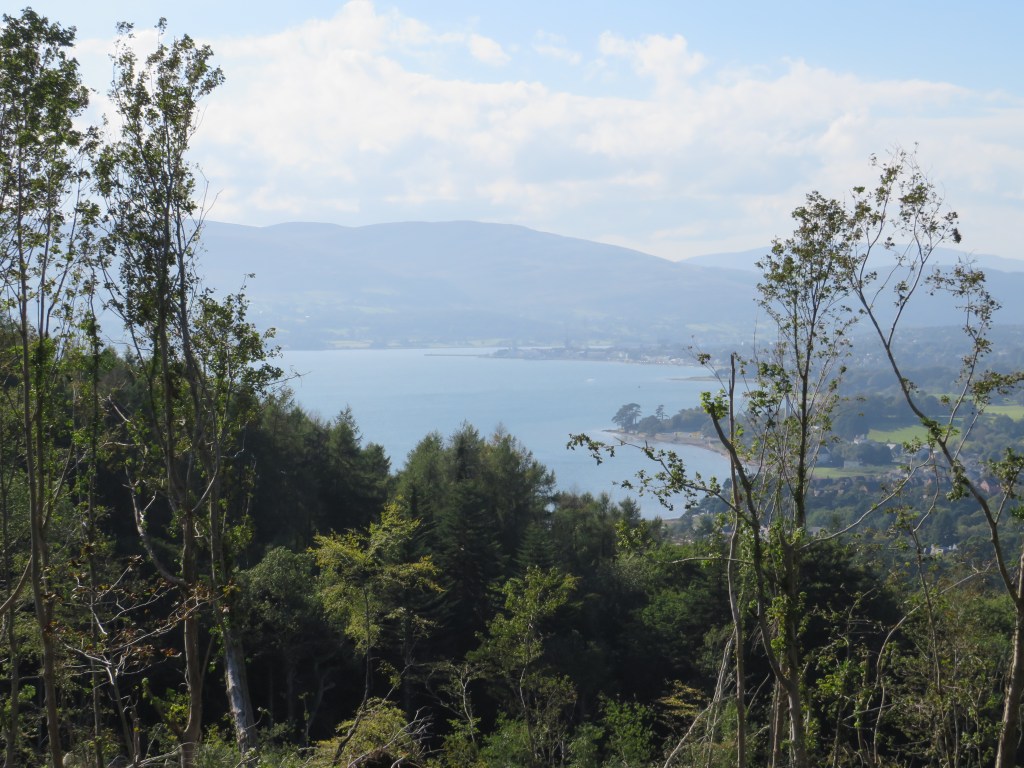
Today’s picture is of County Down, in honour of yesterday’s Forgotten Women research.

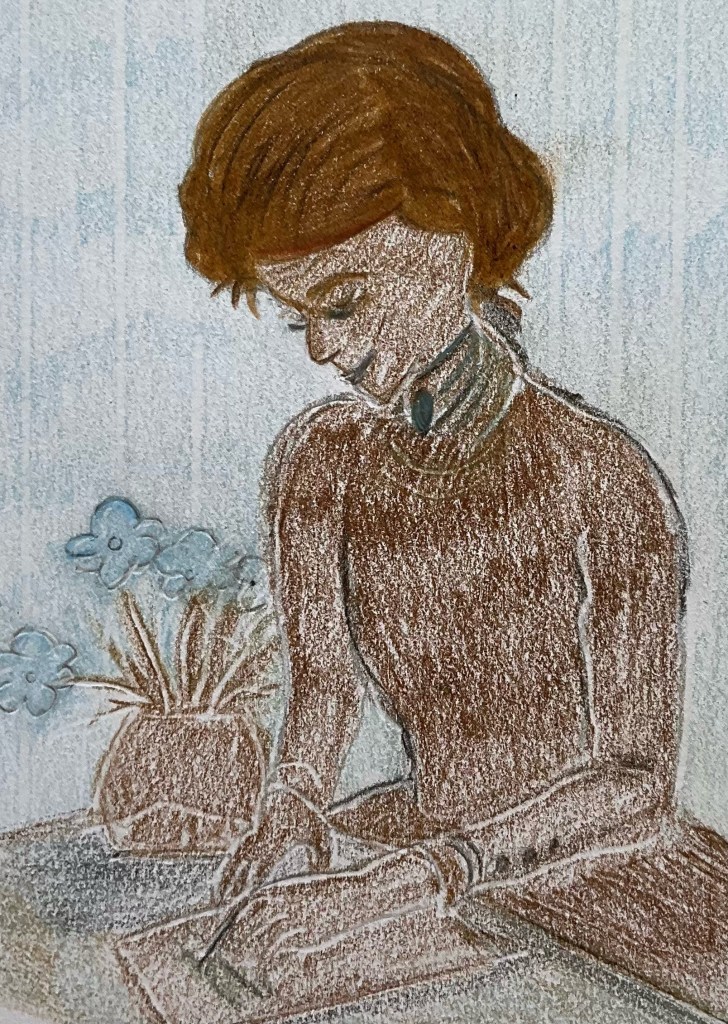
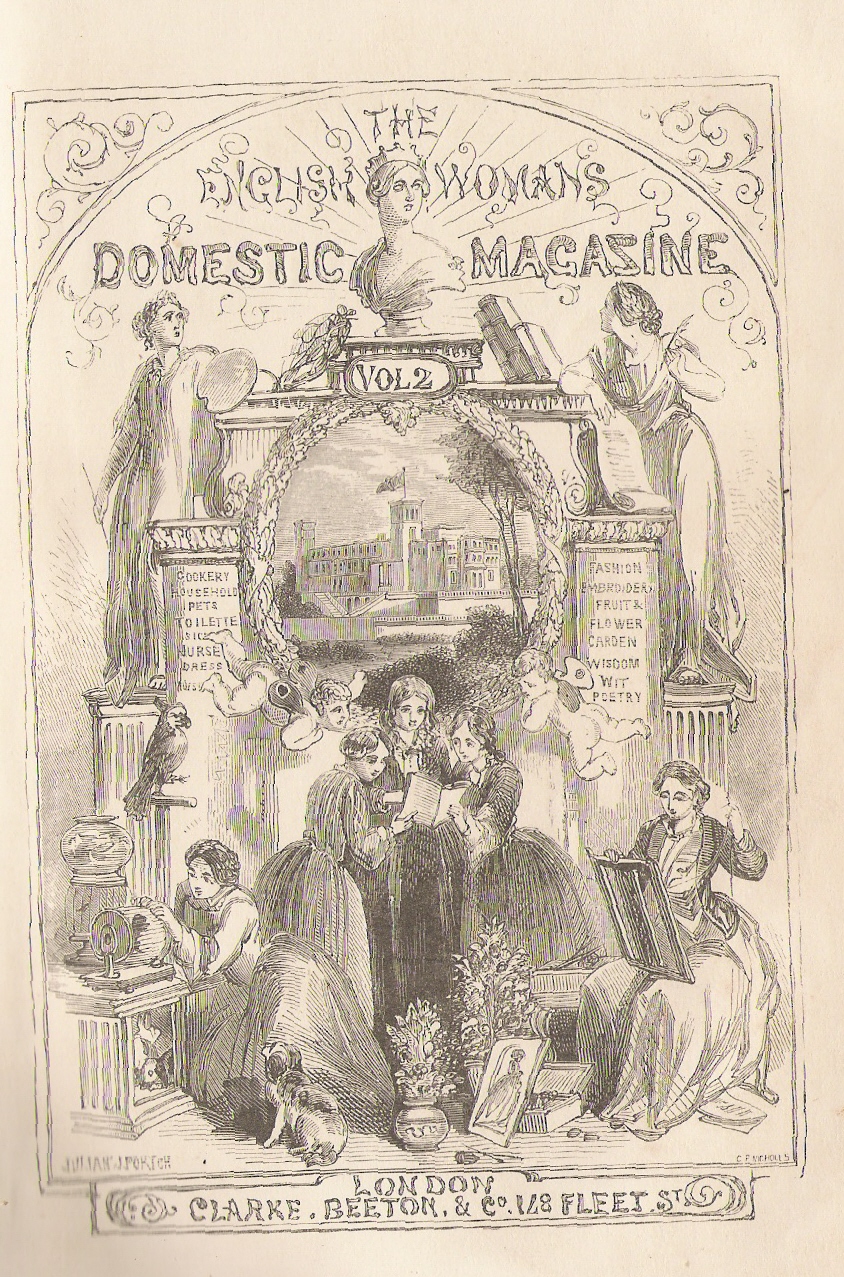 Today’s advent offering sits on my bookshelves but is not actually a book. If that sounds like a Christmas riddle, I will explain. It is a bound volume of the twelve issues of The English Woman’s Domestic Magazine from 1854. It was given to me many years ago by a family history friend (thank you Peggy) and is a real gem. There is no better way to investigate social history than through contemporary writing. There are some
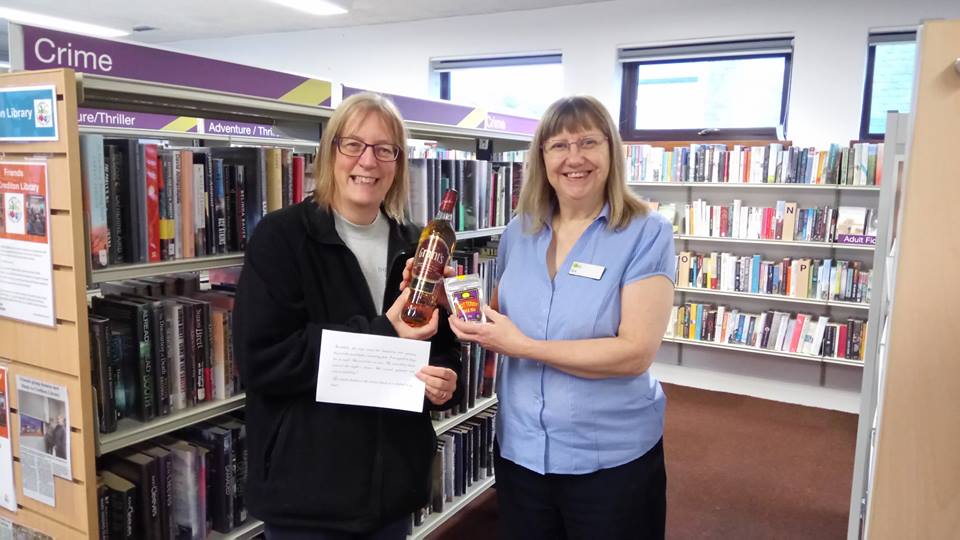 A few weeks ago, I responded to the challenge, issued by a Devon library, to write a fifty word crime story. I am usually accused of using at least four words where one will do, so this was well out of my comfort zone. I do enjoy reading crime novels, primarily those that are set in the past but it is not something I would consider writing.
 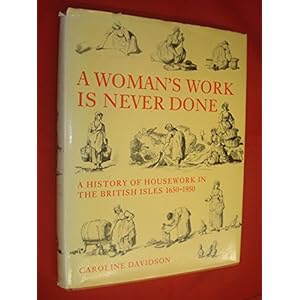 As I sit down, having just finished the washing up and sticking what may well turn out to be onion-flavoured marzipan on my Christmas cakes (short but sad story), what better than to introduce you to a book about housework. Caroline Davidson’s
  This comprehensive account was first published in 1919 and was written by Alice Clark, of the Quaker shoemaking family. Clark (1874-1934) herself is an interesting character, rising to become a director of the family firm in an era when this would have been very unusual. Her
 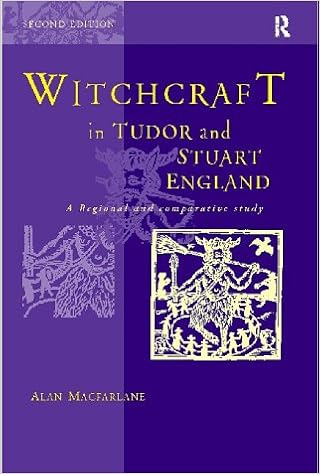 Today though belongs to MacFarlane’s work. This is not just an account of the witchcraft trials of the period. He discusses the sources that can be used, the social background and the conditions that contributed to an increase in accusations. He also looks at the various ways in which people attempted to counter-act witchcraft. The emphasis is on the notorious trials in Essex but these are set in a wider context and the background is applicable elsewhere. I am fascinated by the psychology behind witchcraft accusations and its similarities to today’s culture of bullying. I strive to understand what made people of the past act in a particular way under certain circumstances, so I found the section on the ideology of witchcraft and the anthropological interpretations a particularly valuable addition. There are maps, tables and black and white illustrations throughout the book.
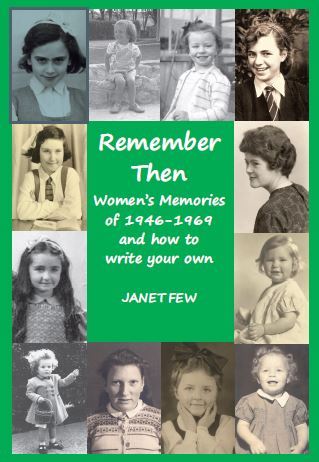 Remember Then: women’s memories of 1946-1969 and how to write your own
 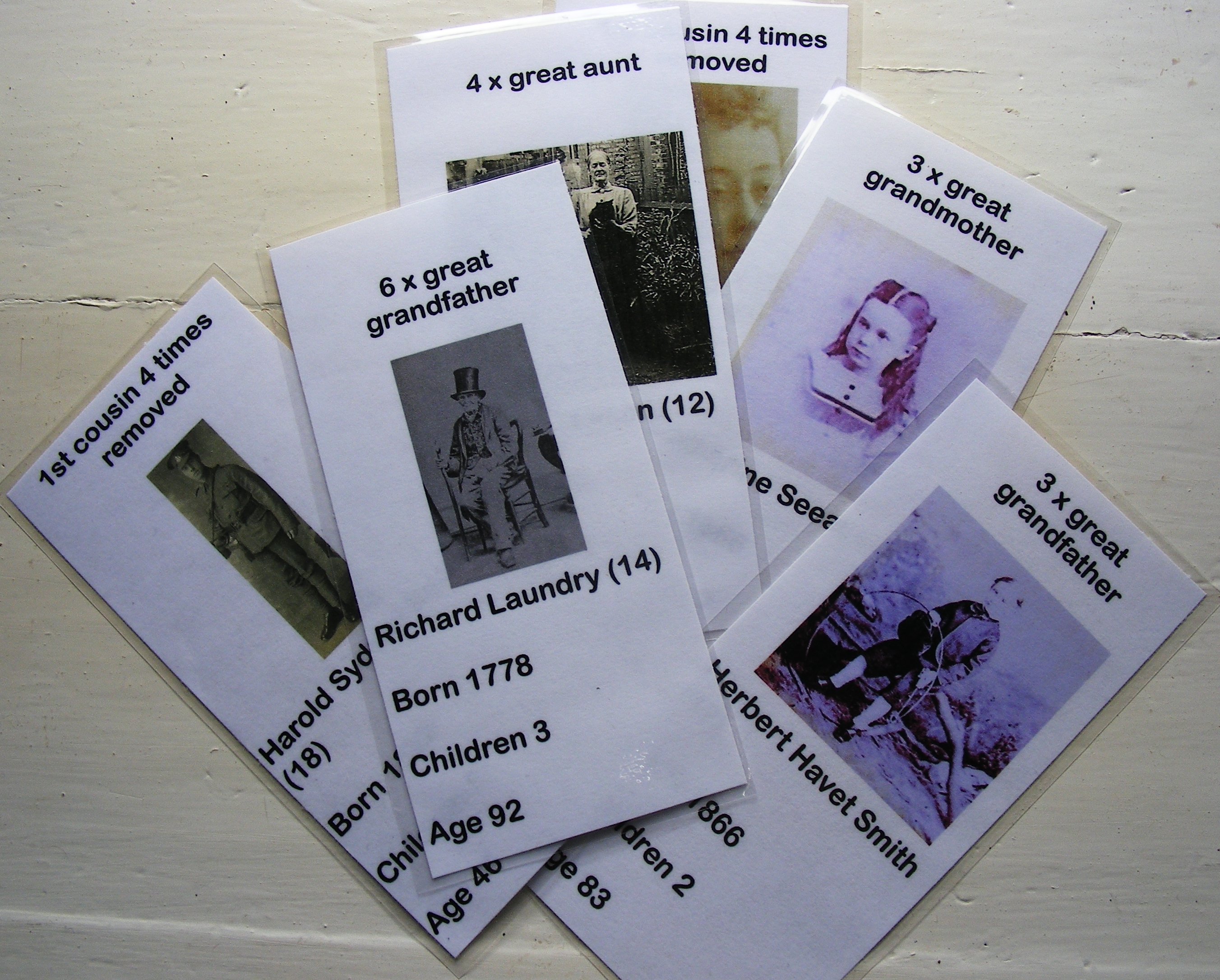 I did have some problems. The cards, are printed on paper and laminated as my printer won’t take card. This is not ideal and you can see through the backs of the cards but this doesn’t matter because of the way that the game is played. The cards are also a bit of a strange shape and it was incredibly difficult to get them all exactly the same size. It probably took me best part of a day to produce two sets. Yes, I could have gone to a pound shop and bought sets of Top Trumps but that would not be the same on so many levels.
![Maids, Wives, Widows: Exploring Early Modern Woman's Lives 1540-1714 by [Read, Dr. Sara]](https://images-eu.ssl-images-amazon.com/images/I/51jZFVeiHGL.jpg) From my bookshelf today I offer you Sara Read’s
From my bookshelf today I offer you Sara Read’s 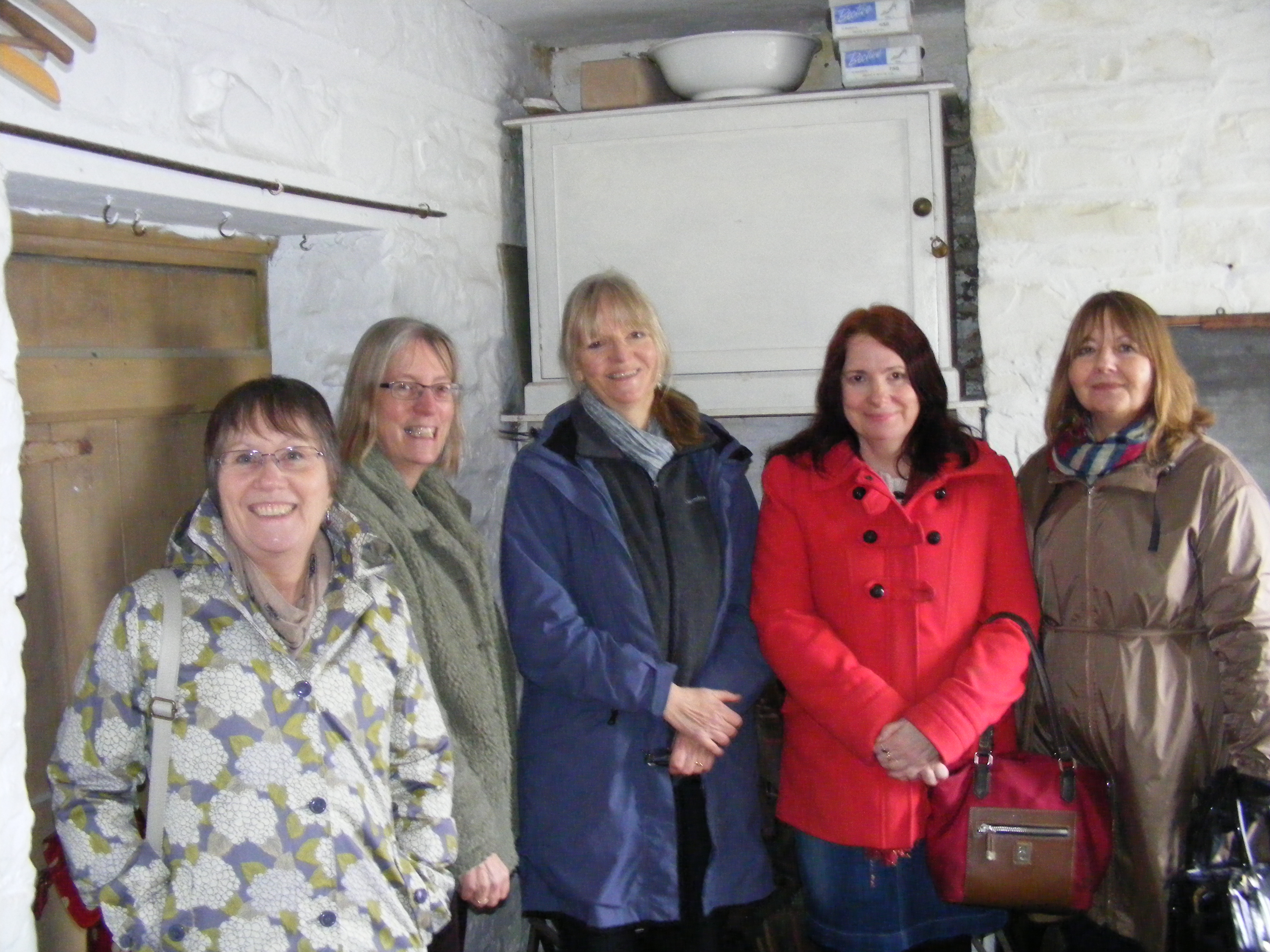 Today, intrepid members of our Authors in a Café group ventured out of their usual haunt to combat fog, drizzle and the steep street of Bucks Mills, in order to recce the venue for our up-coming
  The History Interpreter - Janet Few