The day has dawned. It is #PDADay. For our family every day is #PDADay as we support Edward who has a diagnosis of Autism with Pathological Demand Avoidance (PDA). For more about what this means see my post Of Pokemon and Dinosaurs and being Edward and the website Being Edward, where his mum explains a little of the excitement that is life with Edward. In order to raise awareness of this, often overlooked and misunderstood, condition. Martha began to organise a Panda for PDA Day campaign. It began with close family agreeing to hide pandas around the country, which were accompanied by information about PDA. Friends got on board, then it spread to friends of friends. Martha spent a small fortune purchasing and posting pandas to willing volunteers. We began to hide pandas on Sunday and there are many still to be hidden. Worries that panda finders would not enter into the spirit of the thing and feedback news of panda discoveries, were unfounded. We’ve barely begun and already the responses have been overwhelming. We’ve had pandas hidden in many English counties (with more to come) and today I will be hiding what we believe will be the first Scottish panda.

One (we think it is Frederick Herbert panda #18) started his journey in Manchester, has been found twice and is currently on his way to Clapham Common. Another, Star, was hidden in a station and is now on his third train ride. Pandas have been hidden in shops and libraries, near schools and on footpaths. Panda hiders have told their friends and colleagues about the project and that too has spread awareness. The success, even at this stage, means that we will be continuing this throughout the year. It is obviously not sustainable to keep purchasing pandas, so we will be knitting and crocheting our own and looking to repurpose small charity shop pandas. Alternatively, why not make pandas from Hama beads or Fimo or paint a panda or a stone? – although we need to work out how to attach the information cards to stones! Anyone can join in the fun, anywhere in the world. We can email you the information details for you to print out and attach to your pandas and at the end of the week a printable label will be available on the Being Edward blog. We can also find patterns for you to make your own woolly pandas. We hope that you will then report on where pandas have been hidden, either on Martha’s website or on the Pandas for PDA Facebook Group or by tweeting @Being_Edward.
As well as raising awareness, Martha has set up a go fund me page to enable people to support the invaluable work of The PDA Society. She is also inviting those who make a donation to name a panda. Names vary from ancestral names (for my family historian friends), items from nature, book characters (potential for my authory friends here) and other weird and wonderful inventions – your panda, your name choice.
P.S. If any of my local friends have oddments of black or white wool, please leave them in my porch.
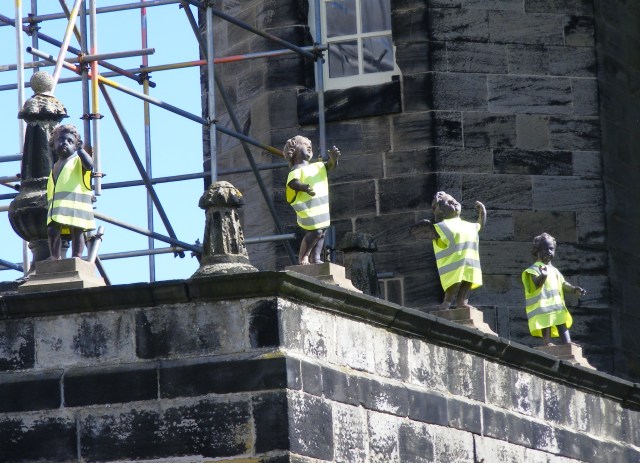

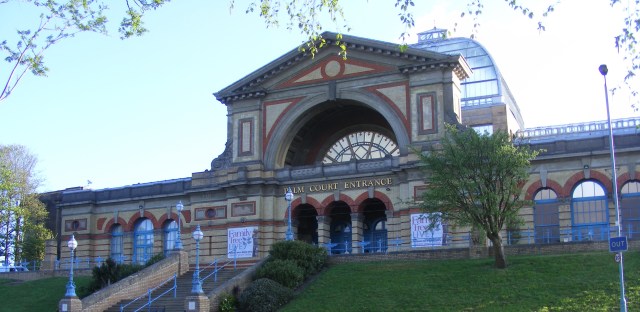
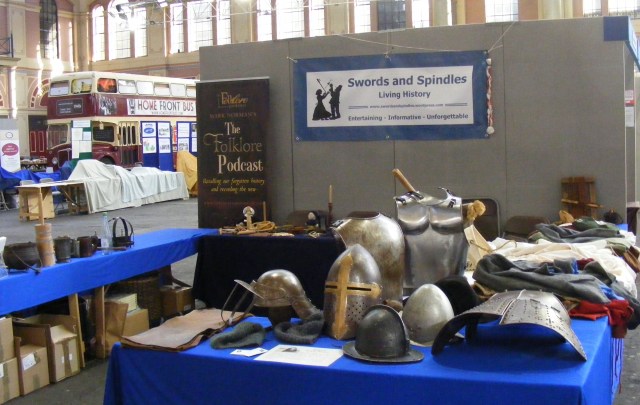
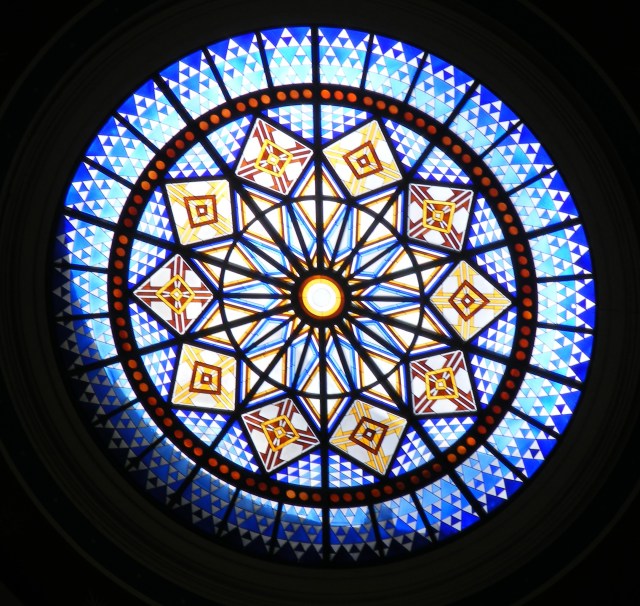
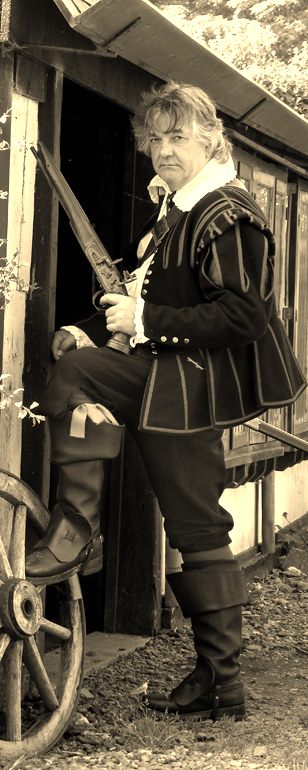 Set up day dawns. We wend our way to the iconic Alexandra Palace. We have strict instructions to check in for our vehicle passes, no problem. Other instructions stress that hi-viz jackets MUST be worn at all times whilst setting up. Some of our fellow stallholders seem to have failed to grasp this. Apart from a few issues with hanging our brand new, super publicity banner and more than one change of plan, regarding our table arrangement, we arrange our seventeenth century artefacts to our satisfaction, wondering how on earth it all fitted in the car. We exchange greetings with friends and manage to escape before the worst of the London rush hour sets in.
 There is a limit to what you can get in a Landrover (there really is – I was surprised too), so what with armour, instruments of torture, costumes of various sizes, toys and a multitude of household items, I will not have an infinite number of every book title – so if you were hoping to relieve me of one of my publications, let me know and I will save you a copy. I would advertise my workshop and presentation but I am afraid (well, afraid for you, glad for me) that they are fully booked.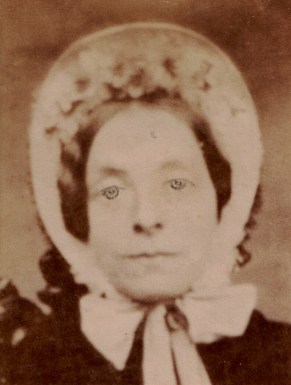
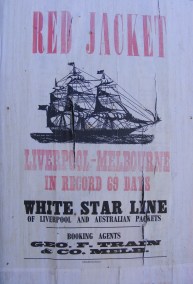 The next session was Dr Simon Wills, speaking on ‘Your Ancestors’ Travels by Sea’. This was packed with interesting information. Simon began by looking at the evolution of passenger-carrying ships from the 100 foot long Mayflower to the Queen Mary II, at over 1200 foot long. In 1620, the Mayflower took 66 days to cross the Atlantic, passengers were each allocated a five foot square space. In 1936, the Queen Mary I made the same journey in just four days. The game-changer was the advent of steam. In 1838 The Great Western’s journey time was two weeks. He even mentioned the Red Jacket, which was a ship that carried members of the Braund family to Australia. I wish I knew more about my great grandfather’s trip to Asia in the late nineteenth century. Simon outlined some useful sources for tracing passengers. He said that the ages on the Passenger Lists (BT26 & BT27 at The National Archives) were often merely the purser’s estimate, particularly for women, as you wouldn’t ask her age.
 The History Interpreter - Janet Few