And the Birds Still Sang – an ode to 2020

It started in the east this thing as plague, as cholera, had before it. It crept onto our television screens before last Christmas, lost in the news of Brexit posturings and snap general elections. In any case it was not about us. This was distant, sad maybe but it was happening somewhere else, to them and not to those we knew. We carried on with our lives as the insidious wave swept inexorably closer. By January, the infection reached our shores, brought back by travellers returning from overseas.

Then it began. It passed from one to another, reaching out. Survival instinct set in and showed itself in the scramble for toilet rolls, for pasta, for hand sanitiser and soap. We began to be afraid. At first perhaps a salacious, voyeuristic fear, still believing it couldn’t be, wouldn’t be, our friends, our family, ourselves who died. We were told that it was older people, those with underlying health conditions who were at risk but some of us were older, some of us were sick. We grieved for Italy in a way that perhaps we had not for Wuhan. Inexplicable this distinction but we’d holidayed in Italy, we knew people who knew people. It was still not about us but we began to believe that it could be.

Deaths were announced, in other cities, other towns. Deaths of younger people, healthy people. We were not immune. Yet still, for most, the impact was no more than shopping shortages, or small children being sad that the caretaker no longer high-fived them on the way into school. Then school children who had been on half-term skiing trips brought it to our county, our neighbourhood. We watched the lines on the graph rising ever more steeply.

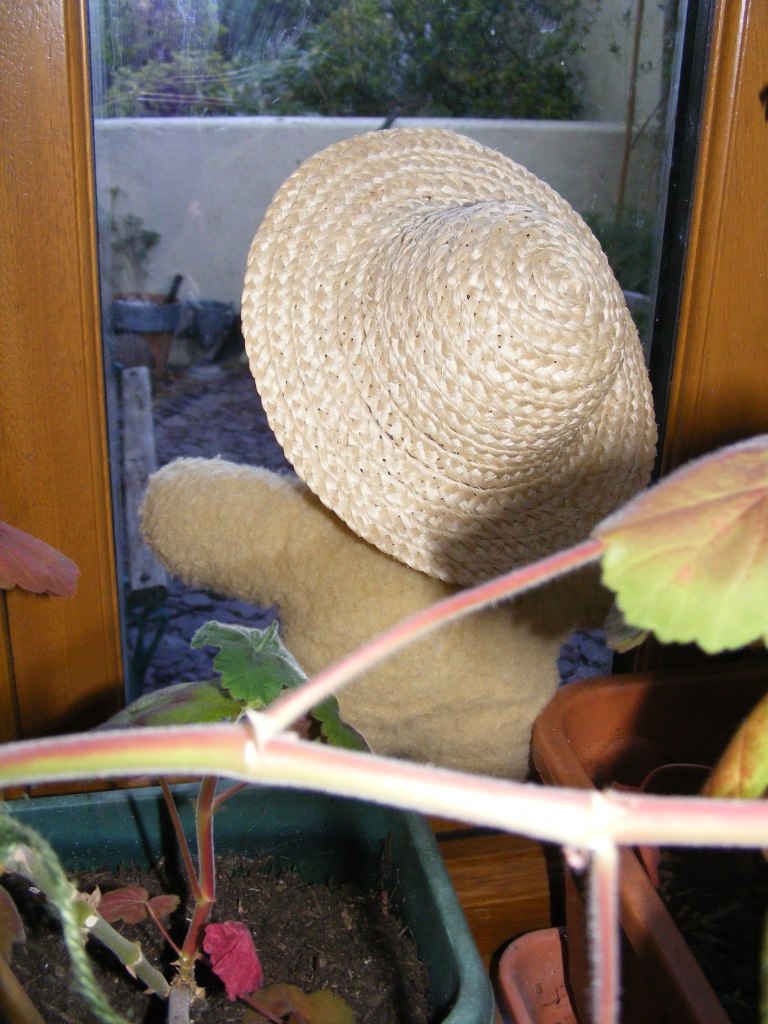
As the number of cases grew, a numbing terror, a paralysing grief for the life we had known, a life we would never know again. By March, people who were able, or whose fear allowed them to do no other, began to hide in their homes. Then this became a requirement. Worried owners fastened the doors on shops and businesses, fearing that it might be a final closure. Children stayed at home, their parents forced into the role of educators, whilst teachers hastened to provide materials to support their pupils at a distance. Other teachers continued to work, foregoing their Easter holidays, risking their health and sometimes their sanity, to provide care for vulnerable children and the children of key workers. Mournful teddies peered from windows, hoping to catch the eye of a passing child, out for a fleeting moment, their exercise circumscribed by geography, by expediency. Rainbows of hope adorned fences and walls. Aimlessly they stretched across the smeared window-panes, symbols of an optimism that we did not really feel.
Many feared for their jobs, wondered how the next bills might be paid. Workers were furloughed as the government promised help, throwing money at the problem. For some this was a relief, yet others fell through this hastily cast net. We were told to keep our social distance. Suddenly, everyone understood just how close, how far, two metres might be. We became physically isolated from our families, our friends, our neighbours.

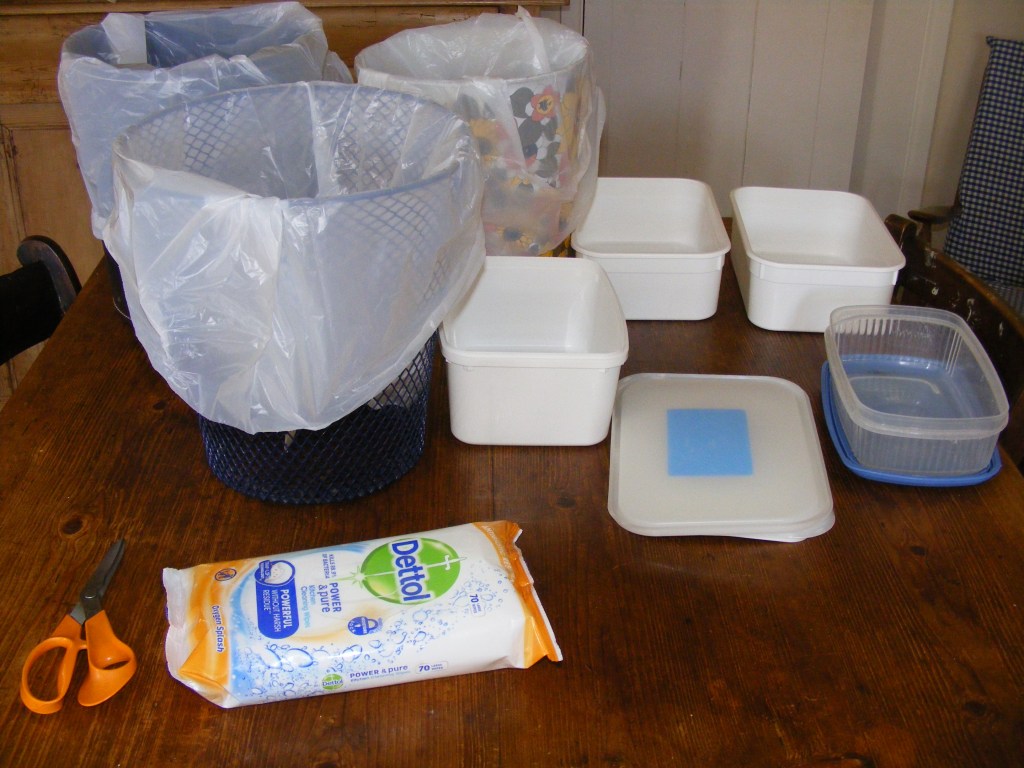
There was a frantic struggle to secure a supermarket delivery, if we did not go out would we be safe? Yet when those deliveries arrived there was the dread that somehow the unseen enemy had crept in unawares on our box of cereal or our tin of beans. People spent hours scanning websites or waiting in telephone queues, trying to get on the ‘vulnerable’ list that would entitle them to priority deliveries. Frenetically, we wiped our groceries, sanitised surfaces and washed our hands. Suddenly, every day was a birthday as we sang the song to ensure we had scrubbed away our infection and our guilt.
Obsessively, we tuned in to the daily government briefings, looking for guidance, looking for hope. We scrolled through social media, reading the horror stories because we could do no other. Seeing the breakfast TV News presenters ‘socially distancing’, sitting at opposite ends of the sofa, brought things home. This was real. This was now. Yes, this was happening to us. It ripped through our care homes, taking our most vulnerable first. Bewildered elderly folk died without the comfort of their families, excluded in a failed attempt to keep the virus at bay.

People spoke of waves of anguish, of incapacitating fear, of inability to concentrate, of not being able to settle or get things done. Here was something that we could not control. There were tales of overburdened hospitals. The aging and the unwell were encouraged to write DNRs so, if they were hospitalised, the decision as to who would, or would not, be given scarce ventilators would be taken out of the hands of the medical professionals. Sobbing health workers appeared on our screens, their skin bruised by goggles and masks, exhaustion etched on their faces and unseen scars branding their minds. They begged for PPE to protect them from this horror. Nightingale hospitals sprung up at amazing speed, designed to help cope with the strain on hospital beds. Retired medical professionals and the nearly qualified were pressed into service.

We lost track of what day it was, like a perpetual bank holiday but our weeks were punctuated by Thursdays, when at 8pm we gathered and we clapped and we cheered. Bells rang and saucepan lids clattered as we thanked those who nursed, who cared, who despaired. We did it for them but we did it for ourselves, buried in our impotence, in our guilt for letting others take the burden.
It was not all bad news. Captain Tom Moore, in his hundredth year, circled his garden on his walking frame. Endlessly walking, lap upon lap. He caught the imagination of a jaded public, of a grieving world seeking the good news story, a reprieve from reports of the soaring death toll. Donations flooded in, over £32 million but why did an old man have to walk and walk and walk again to raise money for a health service that successive governments have bled dry? With the morning came the irrepressible Joe Wicks. We jumped and stretched and let the aching muscles take our minds from darker thoughts for space. Children who would normally receive free school meals were left hungry at home. It took a young footballer, Marcus Rashford, to cajole the government into action, ensuring that our children were fed and another hero of the pandemic emerged.

There were too the villains of the piece. Dominic Cummings drove to Barnard Castle ‘to test his eyesight’, making a nonsense of government restrictions; their exhortation to ‘stay at home, protect the NHS, save lives’. Anger fuelled our fear, we were a rudderless ship and emphatically we were not all in this together.

Gradually, resilience and determination begin to surface. We created our own new normal. Interaction circumscribed by our screens, our diaries began to fill with online events. We sported lockdown hair styles of increasing shagginess; some took matters into their own hands and inexpert hair-cuts appeared on our screens. A few took the idea of DIY to extremes and self-administered dental treatment. Those of us fortunate enough to have outside spaces dug the soil and squeezed joy from the nesting birds, the cleaner air and the silence, as traffic dwindled to a trickle. In all this awfulness, the environment was a victor. The birds still sang. Whilst some people baked soughdough bread or learned new crafts, others remained paralysed, fraught by memories a life that was no longer ours. We were told we were past the peak. Children began to return to classrooms.
Summer. Outside our bubble, our safe cocoon, in the heat and the terror, the world went mad. Democracy was thrown to the storm. The compassionate joined in outrage as another black life was lost to intolerance and hate. Then they gathered, coming together in their anger and their fear. The crowds formed because black lives do matter but the seeds of infection lay lurking amongst those desperate throngs, waiting for the unwary.

Small sighs of relief as numbers began to diminish. We donned our masks, the latest fashion accessory and ‘ate out to help out’, supporting the hospitality sector that had been so badly hit. Folk crowded to beaches, to areas that had thus far escaped from the worst impact of the virus. Relief that struggling business were being supported was accompanied by the fear that those city-dwelling tourists that were a life blood were, at the same time, bringing with them disease and death.

With public examinations cancelled, students received their teachers’ predicted grades. Another furore, was this fair, was it just? Schools and colleges opened their doors and gradually, relentlessly, the graphs that we studied so avidly began to rise once again. Universities restricted students to the corridors of their halls of residence in history’s strangest freshers’ week.

November and another lockdown, slightly less restrictive than that of the spring but now it was winter, we were weary, exhausted, drained. Plumbing the depths of our mental reserves, we sighed and reconciled ourselves to the inevitable, yet were mindful that there were those who had nothing left to draw upon. The virus brought not only its own casualties but other victims, those whose physical and mental health had been damaged beyond repair as a by-product of this year.

Then a glimmer at the end of the endless tunnel. News that a vaccine had been approved for use. The oldest amongst us stood by to receive it before the end of the year. The prospect of Christmas shone out, a beacon of hope. We could mix in a limited way, a reward for all that we had endured. The creeping worm of doubt, reverberated from the mouths of the scientists, the medics. Yes, we could but could was not should. We could but they would rather we didn’t. Many planned solitary celebrations that, although sad, would at least be safe. Others clung to the opportunity to see long-estranged family. Getting together would be a salve to their bruised and battered equilibrium.

As we fought back with the administering of the first vaccines, the virus did not lie sleeping. It retaliated with a mutation, more virulent, more terrifying. The promised comforting warmth of Christmas interaction was ripped from us. A necessary but devastating precaution. We dismantled our Christmas plans, unpacked our suitcases and wondered what to do with 24lb turkeys. Daubed ‘Plague Island’, Britain was shunned by its neighbours as Europe closed its borders. Thousands of lorry drivers were stranded on Kent’s roads and there were fears that our food supplies would be compromised. Tiers were tightened and more people were set to enter lockdown once Christmas was over. All this, interlaced with a Brexit deal that nobody, be they leavers or remainers, voted for.

Jupiter and Saturn aligned in what some saw as a welcoming echo of the Christmas star. Would the more superstitious regard it as being more akin to the comets that were in past times harbingers of disaster?

This was the year when every email, every virtual meeting, signed off with ‘take care’ or ‘stay safe’. A fruitless platitude but all that we could utter in our impotence. As 2021 dawns, with the vaccine on the horizon, we hope for better things, believing, trusting, that they could hardly be worse. When this is over, whatever over will mean, will we speak of ‘before’, as earlier generations spoke of ‘before the war’? For us all, whatever happens, 2020 has been a life-changing watershed; we and the world, will never be the same. So ‘take care’, ‘stay safe’, be kind and be hopeful.
My Books of the Year

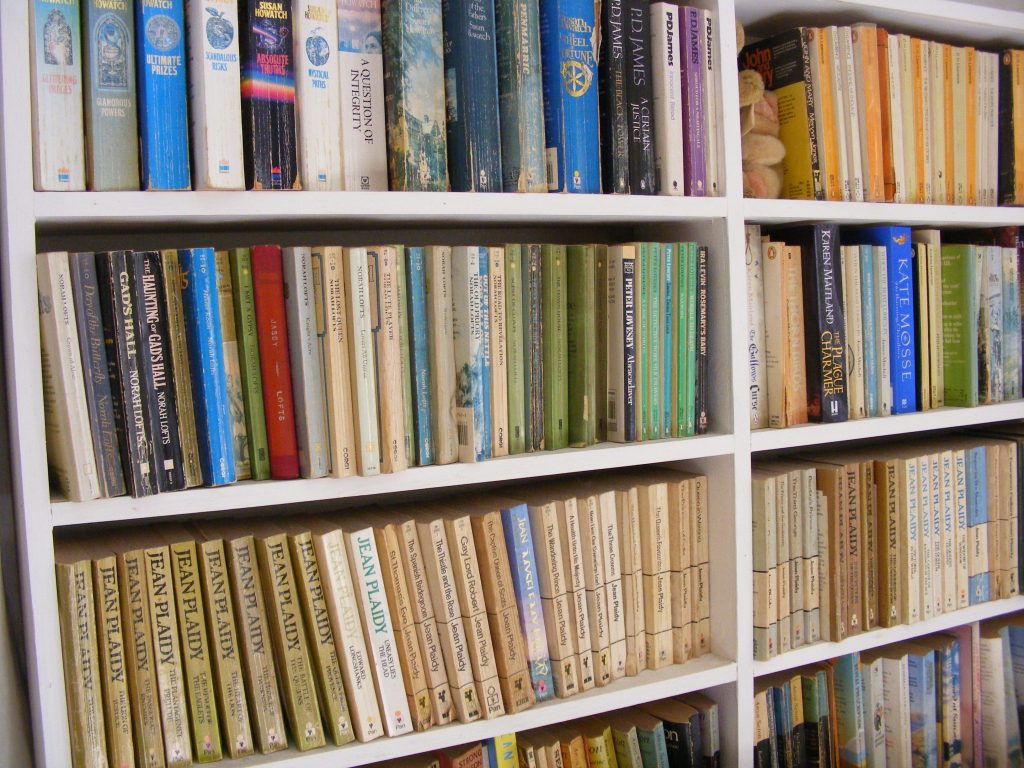
As I haven’t done an ‘advent calendar’ on my blog this December, I thought I’d share my top fiction reads of the year. I have read seventy novels in 2020. With a week to go I might manage a couple more; this is about the same as in a ‘normal’ year. I know some people’s reading habits have changed in favour of ‘feel-good’ books during the pandemic but I have stuck to my usual fare. There is a bit of a witchy theme, perhaps because I was writing about witches myself at the time. These books do obviously reflect my own interests, that’s why they are my top ten but I hope you might be tempted to give some of them a try. I decided not to rank them 1-10, so here they are in alphabetical order of author. I have deliberately only provided links to the authors’ own websites, where I can find them. As an author, I know how important it is to encourage you to buy directly from authors, publishers or independent booksellers, rather than from major online retailers but if you want e-reader versions, or if you really must, you can find them there too.

Moreton in Lockdown – Nathan Dylan Goodwin

I am a great fan of genealogical mysteries and Nathan is one of the best exponents of this genre. During the first lockdown he created a choose your own adventure for his long-running character Morton Farrier. This is a work of genius, as it is read online and you can follow Morton’s research via links to genuine documents and websites. I can only imagine how much effort it took to construct the story and create all the conceivable choices. I loved the topical references as Morton and his family struggled with food shortages and virus restrictions. Even better, you can read it for free. If you enjoy this and Nathan’s books are new to you, then there are plenty more Moreton adventures for you to enjoy.

Tidelands – Phillippa Gregory

I do prefer Phillippa Gregory’s books about ‘ordinary’ people to those whose main characters are royalty and this is one such. It is the story of Alinor, a wise woman who lives in 1648, when England is in the grips of the Civil War. At a time of turmoil, neighbour begins to turn upon neighbour and Alinor is in the line of fire. As you’d expect, it is well-researched and well-written. This is the first of a series and I am looking forward to the sequel.

Killing the Girl – Elizabeth Hall

An absorbing psychological thriller in which the lead character, Carol, is forced to revisit incidents from her past. It is difficult to say very much without spoilers but I was immediately drawn into the story. Some of it is set in a realistic 1970.

The Familiars – Stacey Halls

I usually try to avoid ‘Best Sellers’ that everyone will have heard of but I couldn’t ignore this. Set as it is against a background of the Pendle witch trials, this was likely to hold my interest. Stacey Halls has taken real people as her main characters and has created a plausible story about Fleetwood and Alice, who come from different walks of life.

The Physick Book of Deliverance Dane – Katherine Howe

This book was previously published as The Lost Book of Salem. It is set during the Salem witch trials, with a more recent strand. In 1991, Connie comes across the physic book whilst researching for a PhD and sets out to discover more about the life of Deliverance Dane. In the process, the reader is given an insight into the world of late C20th American academia.

A Kind of Spark – Elle McNicholl

A neurodivergent lead character, historical witchcraft and a struggle for acceptance. This had to be on the list. A coming of age story in which Addie comes to terms with who she is and how others perceive her. Elle McNicholl has used her own experience of neurodivergence to craft a compelling novel, which draws links between past instances of intolerance and bullying and Addie’s own life. Definitely a must read for anyone who wants to understand the overwhelming nature of neurodivergence and to rejoice in Addie personal triumphs.

The Fear of Ravens – Wendy Percival

Another of my favourite authors of genealogical mysteries. This is the latest of a series of books featuring genealogical sleuth Esme Quentin. Set in North Devon and featuring, yes, you’ve guessed it, more witches, as well as a curse and a mystery to uncover. Wendy’s, or rather Esme’s, genealogical research is believable and I enjoy learning more about Esme with each book Wendy writes. Although this is one of a series, you don’t need to have read the others but having read this one, you will probably want to.

The Gossip’s Choice Sara Read

More seventeenth century (inevitable really). Sara Reed has used her academic research about the history of early modern midwifery and crafted a fascinating account of Lucie Smith, who practices her craft of midwifery as London begins to be gripped by the plague. I like my historical novels to be rooted in sound research and this certainly is. A fascinating story.

The Song of the Skylark – Liz Shakespeare

A story set in my home village and based on real nineteenth century events. Liz has set her characters against a carefully researched background and I was quickly absorbed in the story of the Mitchell children. A beautiful evocation of the Devon landscape and a wonderfully detailed portrayal of Victorian rural poverty. It is difficult to write a convincing book for adults with children as the main characters but Liz has achieved this with admirable skill.

Who’s There – Karena Swan

A compelling read this one and a little different from the historical novel fare. We follow the story of Arnold, a young man with learning difficulties who is taking his first steps towards independence. Sadly, there are always those who seek to exploit the vulnerable and the plot takes a sinister turn. The characters were convincing and portrayed with empathy. A gripping recounting of how terrifyingly easy it is to become a victim.

Reading, Writing and Recording

Regular readers might recall that I often do daily ‘advent calendar’ posts but I decided to give that a miss this December. What I am preparing is a list of the top ten books that I’ve read this year. I’m not going to rank them one to ten but just the ten best of the 70 or so fiction books that I have read in 2020. If you are wondering if that is more or less than usual because, well because it is 2020, that’s probably about normal for me. Then there is all the non-fiction but I tend to dip into many of these rather than read from cover to cover, so my list will be fiction only. Stand by for this nearer the end of the year.

Now to recording. A few weeks ago, I was invited to chat to the lovely History Hacks Ladies. As a result I am now a podcast, whatever that is.  So if you want to hear me chatting about Sins as Red as Scarlet in a very croaky voice you can. There’s plenty of other good stuff on there too, so head on over and listen in.

Then, whilst I was still reeling from all the Genealogy award thing excitement, came the amazing news that I had won a writing competition. I found out on Monday and once I’d picked my jaw up off the floor, spent most of the week with a stupid smile on my face. I don’t usually ‘do’ short stories but both my novels are on the Trip Fiction website, so when they announced a competition I decided to give it a go and well, wow, just wow – look! You can read my story and those of the other winners on the site. It is also a great place to look for books that are set in your favourite locations. If you are expecting my story to be set in the West Country, sorry, no, Northumberland this time. I’m afraid it is no good sending begging letters asking for a share of the prize money as a significant proportion has already been donated to charity. If you like the story and still haven’t dipped into my novels, if you are very quick, I can still send signed, festively wrapped copies out to the UK in time for Christmas – you do need to order directly from me for this though. P.S. and here is what the lovely judge said – I still can’t believe this is about something that I have written.

In other news, I glimpsed this under the clematis yesterday. I am hoping he is hibernating not deceased and will add more leaves and possibly build a shelter to put over him as this looks a bit exposed. The first photo was taken in the summer.

Technological Challenges

With a sold-out talk for the Society of Genealogists in the offing my lap top decided to go slow and then grind to a halt. As I was fresh from a ‘discussion’ with Amazon who decided they couldn’t verify my bank account in order to pay the paltry royalties due to me, this was the last thing I wanted. I should add that Amazon have been using this bank account for over two years with no problem but I guess they have to check occasionally. The issue seemed to be that the account officially uses my initials whereas the system assumes it uses your name and insists that you enter that. Anyway back to the expiring laptop. Good news, the repair shop was open during lockdown. Bad news there could be a week to wait. I review the alternatives for giving the three Zoom talks I have in the next week. I can use a lap-top that only has the free version of Power Point, meaning I have to alter all the fonts. Alternatively, I can use a teeny tiny lap top that is more difficult to use. A bit of testing and it seems I can make this work. Hurrah.

I am sat in the conservatory because that is the best light. The talk, on Madness, Mania and Melancholia: mental health of our ancestors, goes well. I am just in to the 35 minutes’ worth of questions when a neighbour arrives at the glass door with a brace of very deceased pheasants in his hand. I try to subtly gesture to the front door indicating that he should ring the bell, which should summon my lockdown companion. No, subtlety isn’t cutting it. I have to abandon the audience briefly to explain. I guess it beats the Zoom call cats.

The catalogue of woes continues. In order to complete a job due next week I need to download some software on to the borrowed computer. To do this I need to access a website. I have forgotten my password (which is saved on the defunct computer). Simples, I will reset it. It needs me to answer a ‘secret’ question. ‘What is my mother’s maiden name?’ That old chestnut. Clearly I do know what my mother’s maiden name is; I am a family historian. I don’t normally give the correct answer as it is in the public domain (you can probably find it on this website). It is also very easy to guess. I try the only two plausible alternatives – wrong. I try the actual maiden name – also wrong. There is no way round the ‘secret’ question. There should be a help phone number but guess what, the document with these useful numbers on is accessed via the website I can’t currently get in to. You couldn’t make it up.

I won’t mention the other website I can’t get into because I am not receiving the verification codes that they are allegedly sending me. Oh and then there was me trying to connect the borrowed laptop to my printer – don’t even go there. ‘You have 90 seconds to use this verification code.’ On this teeny tiny lap top – no chance. Good news I have a wireless keyboard and yes I can even locate it in the crowded loft. What I can’t locate is the little USB thingy that has to go in the laptop – sigh. Expect typos.

Then there is Tesco’s, fortunately to reset their password you do not need the inside leg measurement of your infant teacher’s uncle. I put in a new password, ‘that is your old password, please choose another password’. Arrgghhh.

Another day, another Zoom talk. I have finished the actual talk and am trying to minimise the presentation in order to copy and paste my web address in the chat. I press the escape key. Ah well on my computer it would be the escape button. On the one I’ve borrowed it is the power off key. Luckily this one was a double-hander so I just had to pop up on a different screen in another room in my house. Never work with children, animals or technology.

Illustration credit Roberta Boreham